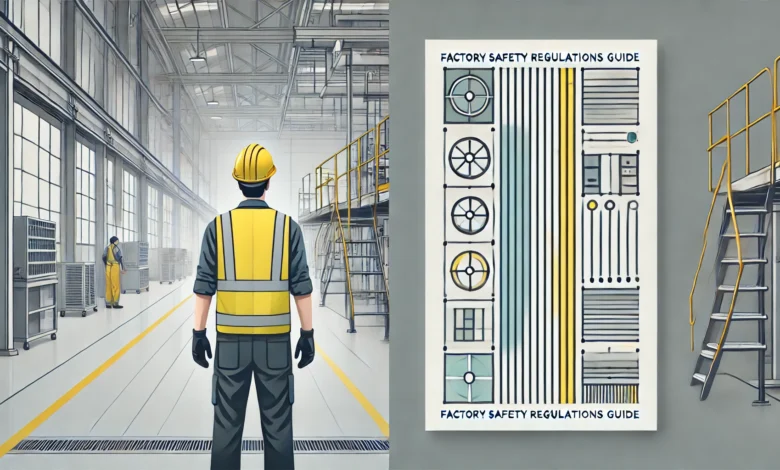
Factory safety regulations are the rules, standards, and practices designed to protect workers, equipment, and facilities from accidents, injuries, and long-term health risks. In the first paragraph, it’s important to understand that factory safety is not just a legal obligation—it is a core operational responsibility. Well-implemented safety regulations reduce downtime, prevent costly incidents, improve employee morale, and help factories operate efficiently and sustainably.
What Are Factory Safety Regulations?
Factory safety regulations are legally mandated and industry-recognized requirements that govern how manufacturing and industrial facilities must operate to ensure a safe working environment. These rules cover machinery use, workplace layout, employee training, emergency preparedness, and hazard control.
Regulations are typically enforced by government authorities, but many factories also adopt international standards and internal policies that go beyond minimum legal requirements.
Compliance with factory safety regulations helps prevent accidents, protects workers’ health, and shields companies from legal penalties and reputational damage.
Why Factory Safety Regulations Are Essential
Factories involve heavy machinery, moving parts, electrical systems, chemicals, heat, and noise. Without strict safety controls, these hazards can lead to serious injuries or fatalities.
Safety regulations create a structured approach to identifying risks, implementing controls, and responding to incidents. They also ensure that safety responsibilities are clearly defined across management and workers.
Beyond compliance, strong safety practices reduce insurance costs, minimize production interruptions, and improve overall productivity.
Key Areas Covered by Factory Safety Regulations
Machinery and Equipment Safety
Machinery safety rules require proper guarding, emergency stop mechanisms, lockout and tagout procedures, and regular maintenance. Operators must be trained to use equipment safely and report defects immediately.
Unsafe machines are one of the leading causes of factory accidents, making this area a top regulatory priority.
Workplace Environment and Layout
Regulations govern factory layout to ensure safe movement of workers, materials, and vehicles. Walkways must be clearly marked, floors kept free of hazards, and workstations designed to reduce strain and fatigue.
A well-organized workspace reduces slips, trips, and collisions.
Hazardous Materials Handling
Factories that use chemicals, flammable materials, or toxic substances must follow strict storage, labeling, and handling rules.
Employees must be trained to understand safety data sheets, use protective equipment, and respond to spills or exposure incidents.
Electrical Safety
Electrical systems must be properly installed, grounded, and maintained. Regulations require regular inspections, clear labeling, and restricted access to high-voltage areas.
Electrical safety rules reduce the risk of shocks, fires, and equipment damage.
Fire Prevention and Emergency Preparedness
Fire safety regulations require factories to install alarms, extinguishers, sprinklers, and emergency exits. Evacuation routes must be clearly marked and unobstructed.
Emergency drills and response plans ensure workers know how to act quickly during fires, explosions, or other emergencies.
Personal Protective Equipment (PPE) Requirements
Personal protective equipment is a critical part of factory safety. Regulations specify when and how PPE such as helmets, gloves, eye protection, hearing protection, and safety footwear must be used.
Employers are responsible for providing appropriate PPE and ensuring it is properly maintained.
Workers must be trained to use PPE correctly and understand its limitations.
Training and Worker Competency
Factory safety regulations place strong emphasis on training. Workers must be trained before operating machinery, handling hazardous materials, or performing high-risk tasks.
Ongoing training helps reinforce safe behaviors and keeps employees informed about new risks or procedures.
Documented training records are often required during safety audits and inspections.
Health Monitoring and Ergonomics
Safety regulations also address long-term health risks such as repetitive strain injuries, noise exposure, and poor ergonomics.
Factories may be required to monitor noise levels, improve workstation design, and provide health checks for workers exposed to certain risks.
Addressing ergonomic issues reduces absenteeism and improves overall worker well-being.
Inspections, Audits, and Reporting
Factories are subject to regular inspections by safety authorities. These inspections assess compliance with regulations and identify hazards.
Internal safety audits help factories detect problems early and demonstrate proactive risk management.
Accidents, injuries, and near-misses must be reported and investigated to prevent recurrence.
Common Safety Violations in Factories
Common violations include missing machine guards, blocked emergency exits, inadequate PPE use, poor housekeeping, and insufficient training.
Many accidents occur not because regulations are unclear, but because safety practices are not consistently enforced.
Strong safety leadership and accountability are essential to prevent repeat violations.
Cost of Implementing Factory Safety Regulations
Implementing safety regulations involves costs such as equipment upgrades, training programs, inspections, and safety personnel.
While these costs can be significant, they are often far lower than the cost of accidents, legal penalties, compensation claims, and production downtime.
Many factories view safety investment as a long-term cost-saving strategy.
Benefits of Strong Factory Safety Programs
Effective safety programs reduce accidents, protect workers, and improve compliance with regulations.
They also enhance employee morale, reduce staff turnover, and strengthen a company’s reputation with customers and regulators.
Safe factories tend to be more efficient and reliable over time.
Factory Safety Regulations vs Operational Efficiency
Some manufacturers worry that strict safety rules slow down production. In reality, safety and efficiency often go hand in hand.
Clear procedures, well-maintained equipment, and trained workers reduce errors and unplanned downtime.
Safety regulations provide structure that supports consistent, high-quality operations.
| Aspect | Poor Safety Practices | Strong Safety Compliance |
|---|---|---|
| Accident Risk | High | Low |
| Production Downtime | Frequent | Minimal |
| Employee Morale | Low | High |
| Regulatory Exposure | High | Controlled |
How Factories Can Maintain Safety Compliance
Factories should start by identifying all applicable safety regulations and standards.
Management commitment is critical. Safety policies must be enforced consistently, not only during inspections.
Regular training, audits, and continuous improvement help sustain a strong safety culture.
Encouraging workers to report hazards and near-misses creates a proactive safety environment.
Frequently Asked Questions About Factory Safety Regulations
Are factory safety regulations mandatory?
Yes. Most factory safety regulations are legally required and enforced by government authorities.
Do small factories need to follow the same safety rules?
Yes. While enforcement may vary, safety laws apply to factories of all sizes.
How often should safety training be conducted?
Training should occur during onboarding and be refreshed regularly, especially when processes or equipment change.
What happens if a factory fails a safety inspection?
Consequences can include fines, mandatory corrective actions, shutdowns, or legal action.
Conclusion: Building a Safer Factory
Factory safety regulations exist to protect lives, equipment, and businesses. They provide a clear framework for managing risks in complex industrial environments.
While compliance requires effort and investment, the benefits far outweigh the costs. Safe factories are more productive, resilient, and trusted.
By treating safety as a core operational value rather than a compliance checkbox, factories can create workplaces where people and processes thrive together.