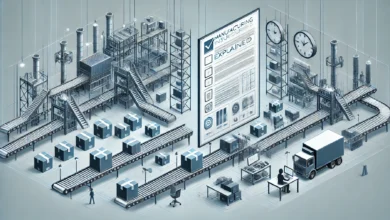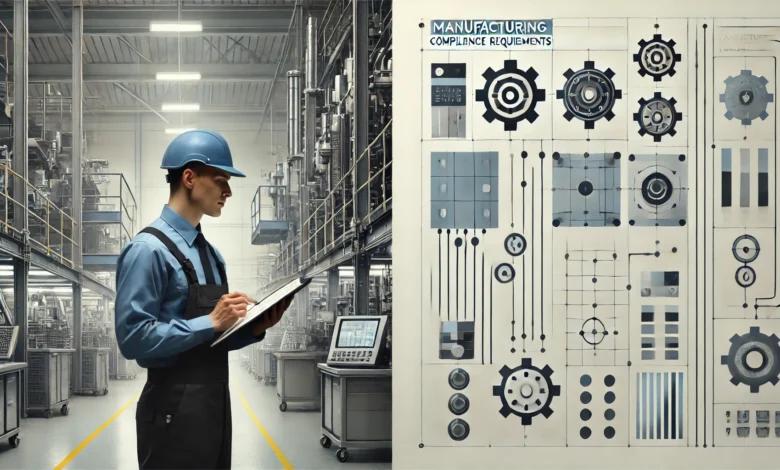
Manufacturing compliance requirements are the laws, regulations, standards, and internal controls that manufacturers must follow to operate legally, safely, and responsibly. These requirements govern how products are designed, produced, tested, documented, and distributed. In the first paragraph, it is important to understand that manufacturing compliance is not just about avoiding fines—it is about protecting workers, consumers, supply chains, and brand reputation while ensuring long-term business sustainability.
What Are Manufacturing Compliance Requirements?
Manufacturing compliance requirements are rules imposed by governments, regulatory agencies, industry bodies, and customers to ensure that manufacturing activities meet defined safety, quality, environmental, and ethical standards.
These requirements apply across the entire manufacturing lifecycle, from raw material sourcing and production processes to product labeling, storage, and distribution. Compliance obligations vary depending on the industry, product type, production location, and target market.
Failure to meet compliance requirements can result in legal penalties, production shutdowns, recalls, loss of certifications, and long-term damage to customer trust.
Why Manufacturing Compliance Is Critical
Manufacturing environments involve machinery, chemicals, energy use, and complex supply chains. Without compliance frameworks, these operations pose serious risks to workers, consumers, and the environment.
Compliance protects employees from unsafe working conditions, ensures products meet safety and quality expectations, and reduces the likelihood of environmental harm. It also provides traceability and accountability, which are essential during audits, investigations, or product recalls.
For many manufacturers, compliance is also a commercial requirement. Customers, distributors, and global partners increasingly demand proof of compliance before doing business.
Core Categories of Manufacturing Compliance
Health and Safety Compliance
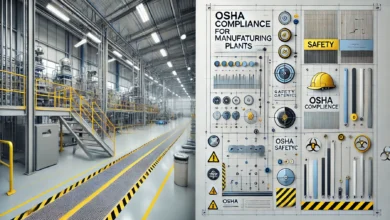
Health and safety regulations focus on protecting workers from accidents, injuries, and long-term health risks. These rules govern machine guarding, hazardous material handling, workplace ergonomics, emergency procedures, and training.
Manufacturers must implement safety programs, conduct risk assessments, maintain safety equipment, and document incidents to meet regulatory expectations.
Quality and Product Compliance
Quality compliance ensures products meet defined specifications and perform safely and reliably. This includes process controls, inspections, testing, and documentation.
Many industries require adherence to recognized quality management standards to demonstrate consistent production and traceability.
Environmental Compliance
Environmental regulations govern emissions, waste disposal, water usage, chemical storage, and energy consumption. Manufacturers must monitor environmental impact and implement controls to reduce pollution.
Non-compliance can result in fines, permit revocation, and long-term environmental liabilities.
Labor and Employment Compliance
Labor compliance covers wages, working hours, employee rights, non-discrimination, and workplace conditions. Manufacturers with global supply chains must also ensure ethical labor practices among suppliers.
Failure in this area can lead to legal action, supply chain disruption, and reputational damage.
Industry-Specific Compliance Requirements
Manufacturing compliance requirements vary significantly by industry. A food manufacturer faces different regulations than an electronics or automotive producer.
Highly regulated industries such as pharmaceuticals, medical devices, aerospace, and food production are subject to strict oversight, detailed documentation, and frequent audits.
General manufacturing sectors may face fewer product-specific regulations but still must comply with workplace safety, environmental, and labor laws.
Global vs Local Compliance Considerations
Manufacturers operating in multiple countries must navigate both local regulations and international standards. Requirements may differ across regions, even for the same product.
Exporting goods often requires compliance with the destination country’s safety, labeling, and quality rules. This adds complexity to product design and documentation.
Global compliance strategies help manufacturers standardize processes while adapting to regional legal requirements.
Documentation and Record-Keeping Requirements
Documentation is a cornerstone of manufacturing compliance. Regulators and customers expect clear records showing how products are made, tested, and controlled.
Common records include production logs, quality inspection results, training records, maintenance schedules, and incident reports.
Accurate documentation not only supports audits but also helps identify process improvements and reduce operational risk.
Audits and Inspections
Manufacturers are subject to internal audits, customer audits, and regulatory inspections. These reviews assess whether processes align with compliance requirements.
Audits may be scheduled or unannounced, depending on the regulatory authority. Findings can lead to corrective actions, fines, or operational restrictions.
Proactive internal audits help manufacturers identify gaps before external inspections occur.
Technology’s Role in Compliance Management
Modern manufacturers increasingly rely on digital tools to manage compliance. Software systems track documentation, monitor processes, and generate audit-ready reports.
Automation reduces human error and improves consistency across production sites. Real-time monitoring helps detect issues early and prevent non-compliance.
Digital compliance systems also support scalability as businesses grow or expand into new markets.
Cost of Manufacturing Compliance
Compliance involves both direct and indirect costs, including equipment upgrades, training, audits, documentation, and regulatory fees.
While these costs can be significant, non-compliance is often far more expensive. Fines, recalls, legal action, and lost contracts can severely impact profitability.
Many manufacturers view compliance as an investment in operational stability and market access rather than a burden.
Pros and Cons of Strict Compliance Programs
Strong compliance programs reduce risk, improve product quality, enhance worker safety, and build customer trust.
They can also increase operational complexity and upfront costs, particularly for small or growing manufacturers.
The challenge is finding the right balance between compliance rigor and operational efficiency.
Manufacturing Compliance vs Operational Flexibility
Some manufacturers worry that compliance requirements limit flexibility. However, well-designed compliance systems often improve efficiency by standardizing processes.
Clear rules and documented procedures reduce confusion, rework, and downtime.
Compliance and agility are not mutually exclusive when compliance is integrated into daily operations.
| Aspect | Weak Compliance | Strong Compliance |
|---|---|---|
| Risk Exposure | High | Low |
| Audit Readiness | Poor | High |
| Operational Consistency | Variable | Standardized |
| Customer Trust | Fragile | Strong |
How Manufacturers Can Stay Compliant
Manufacturers should begin by identifying all applicable regulations and standards for their industry and markets.
Training employees regularly ensures that compliance is understood and practiced at all levels.
Implementing clear procedures, maintaining accurate records, and conducting regular audits help sustain compliance over time.
Working with legal and compliance experts can provide additional assurance as regulations evolve.
Frequently Asked Questions About Manufacturing Compliance
Are manufacturing compliance requirements the same in every country?
No. While some standards are international, many requirements vary by country and region.
Do small manufacturers need to comply with the same rules as large ones?
Yes, although enforcement intensity and documentation expectations may vary.
How often do compliance regulations change?
Regulations evolve regularly, especially in safety, environmental, and product standards.
Can technology help reduce compliance costs?
Yes. Digital compliance tools often improve efficiency and reduce long-term costs.
Conclusion: Understanding Manufacturing Compliance Requirements
Manufacturing compliance requirements exist to protect people, products, and the environment while ensuring fair and responsible business practices.
Although compliance can be complex, it is essential for legal operation, customer trust, and long-term success.
Manufacturers that treat compliance as a strategic priority—rather than a checkbox exercise—are better positioned to manage risk, improve quality, and compete in increasingly regulated global markets.