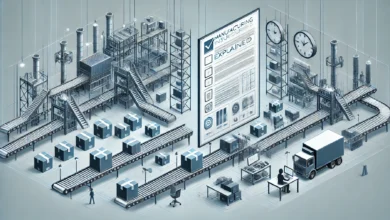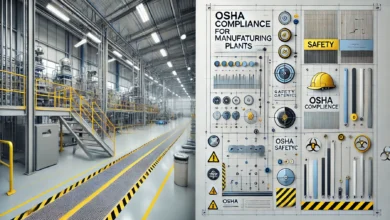
Manufacturing audits and certifications are formal processes used to evaluate whether a manufacturing organization complies with defined standards, regulations, and best practices. In the first paragraph, it’s important to be clear that audits and certifications are not merely administrative requirements or paperwork exercises. They are tools that help manufacturers ensure quality, safety, compliance, and operational consistency, while also building trust with customers, regulators, and business partners.
What Are Manufacturing Audits?
Manufacturing audits are systematic reviews of processes, systems, and records to determine whether operations meet specified requirements. These requirements may come from laws and regulations, industry standards, customer contracts, or internal policies.
An audit examines how work is actually performed on the factory floor and within supporting functions such as procurement, quality control, maintenance, and documentation. The goal is to identify gaps, risks, and opportunities for improvement.
Audits can be conducted internally by the company’s own team or externally by customers, certification bodies, or regulatory authorities.
What Are Manufacturing Certifications?
Manufacturing certifications are formal recognitions issued by accredited bodies confirming that a manufacturer’s systems or processes meet specific standards.
Certification usually requires passing an independent audit performed by a third-party organization. Once certified, the manufacturer can demonstrate compliance through certificates, audit reports, and ongoing surveillance audits.
Certifications often have defined validity periods and must be maintained through continuous compliance and periodic reassessment.
Why Audits and Certifications Matter in Manufacturing
Manufacturing operations involve safety risks, quality requirements, environmental impact, and complex supply chains. Audits help ensure that controls are in place to manage these risks effectively.
Certifications provide external validation. Many customers, especially in regulated or global markets, require suppliers to hold specific certifications before doing business.
Beyond compliance, audits and certifications improve process discipline, reduce errors, and support continuous improvement.
Types of Manufacturing Audits
Internal Audits
Internal audits are conducted by the organization itself. Their purpose is to verify compliance, assess effectiveness, and prepare for external audits.
They are a key requirement of many management system standards and are most effective when conducted objectively and regularly.
External Audits
External audits are performed by customers, regulators, or certification bodies.
Customer audits focus on specific contractual or quality requirements. Regulatory audits ensure compliance with laws and safety rules. Certification audits assess compliance with formal standards.
Process Audits
Process audits evaluate how specific manufacturing processes operate in practice. They focus on consistency, control, and effectiveness rather than just documentation.
Product Audits
Product audits examine finished or in-process products to verify they meet specifications, quality standards, and regulatory requirements.
Common Manufacturing Certifications
Many certifications apply across industries, while others are sector-specific.
Quality management certifications confirm that processes are controlled and consistent.
Environmental certifications demonstrate responsible management of environmental impact.
Health and safety certifications focus on protecting workers and reducing workplace risks.
Industry-specific certifications apply to sectors such as automotive, aerospace, food, pharmaceuticals, and electronics.
The specific certification required depends on the industry, market, and customer expectations.
The Audit and Certification Process
The process typically begins with preparation. Manufacturers review requirements, document processes, and train employees.
An initial audit evaluates readiness and identifies gaps.
Corrective actions are implemented to address findings.
A formal certification audit is then conducted by an accredited auditor.
If requirements are met, certification is granted. Ongoing surveillance audits ensure continued compliance.
Documentation and Evidence Requirements
Audits rely heavily on evidence. This includes procedures, work instructions, records, logs, and performance data.
Documentation must reflect actual practices, not just written policies.
Well-maintained records demonstrate control, traceability, and accountability.
Benefits of Manufacturing Audits and Certifications
Audits identify weaknesses before they become serious problems.
Certifications enhance credibility and market access.
Standardized processes reduce variability, errors, and rework.
Employee awareness and accountability improve through structured systems.
Customers gain confidence in product quality and reliability.
Challenges and Common Pitfalls
Some manufacturers treat audits as one-time events rather than ongoing processes.
Over-documentation without practical application can create bureaucracy.
Lack of employee engagement often undermines audit effectiveness.
Successful programs focus on real operational improvement, not just passing audits.
Cost Considerations
Costs include staff time, training, documentation development, audit fees, and certification body charges.
Indirect costs may include process changes or equipment upgrades.
However, these costs are often outweighed by reduced defects, fewer incidents, lower risk, and increased business opportunities.
Manufacturing Audits vs Certifications
| Aspect | Audits | Certifications |
|---|---|---|
| Purpose | Assess compliance and performance | Formally recognize compliance |
| Frequency | Regular or as needed | Periodic with surveillance audits |
| Conducted By | Internal or external parties | Accredited certification bodies |
| Outcome | Findings and improvements | Official certificate |
How to Prepare for Manufacturing Audits
Understand applicable standards and requirements clearly.
Ensure processes are defined, implemented, and followed.
Train employees so they understand their roles and responsibilities.
Conduct internal audits to identify gaps early.
Address nonconformities promptly and thoroughly.
Frequently Asked Questions
Are manufacturing audits mandatory?
Some audits are legally required, while others are driven by customers or certifications.
How often should audits be conducted?
Internal audits are typically conducted annually or more frequently for high-risk areas.
Do small manufacturers need certifications?
Not always, but certifications can improve credibility and market access.
Can a company fail an audit?
Yes. Failure results in corrective actions and follow-up audits rather than immediate certification.
Conclusion: The Role of Audits and Certifications in Manufacturing
Manufacturing audits and certifications play a vital role in ensuring quality, safety, compliance, and operational consistency.
When approached as continuous improvement tools rather than compliance burdens, they strengthen processes, reduce risk, and build long-term trust.
For manufacturers operating in competitive and regulated environments, audits and certifications are not optional extras—they are foundational elements of sustainable success.