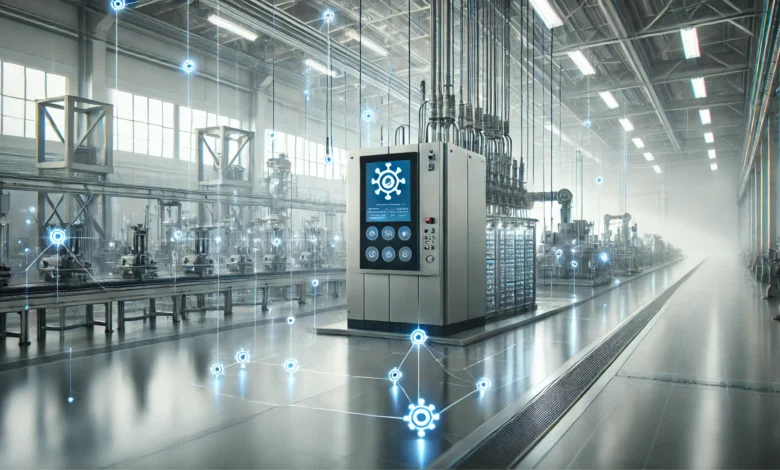
IoT sensors for manufacturing plants are connected devices that collect real-time data from machines, equipment, and the production environment to improve efficiency, safety, and decision-making. In simple terms, these sensors act as the eyes and ears of a modern factory. They continuously monitor conditions such as temperature, vibration, pressure, energy usage, and machine performance, then transmit that data to software systems for analysis. As manufacturing plants face pressure to reduce downtime, cut costs, and improve quality, IoT sensors have become a foundational technology for smart manufacturing.
What Are IoT Sensors in Manufacturing?
IoT (Internet of Things) sensors are physical devices embedded in machines or placed throughout a factory to measure specific parameters. These sensors are connected to networks, allowing them to send data to centralized platforms such as manufacturing execution systems, analytics tools, or cloud-based dashboards.
In manufacturing plants, IoT sensors are used to track machine health, monitor production processes, and observe environmental conditions. Unlike manual inspections or periodic data collection, IoT sensors operate continuously, providing real-time visibility into operations.
This continuous data flow enables manufacturers to detect issues early, optimize performance, and make informed decisions based on actual operating conditions rather than assumptions.
Why Manufacturing Plants Are Adopting IoT Sensors
Traditional manufacturing relies heavily on reactive maintenance and historical reporting. Problems are often discovered after a breakdown occurs or after quality issues appear.
IoT sensors shift this approach from reactive to proactive. By monitoring machines and processes in real time, plants can identify abnormal patterns before failures happen.
Manufacturers are adopting IoT sensors to reduce unplanned downtime, improve asset utilization, increase product consistency, and gain better control over complex production environments.
Common Types of IoT Sensors Used in Manufacturing
Temperature Sensors
Temperature sensors monitor heat levels in machines, furnaces, motors, and storage areas. Abnormal temperature changes often indicate wear, friction, or potential failure.
They are also critical for industries where temperature affects product quality, such as food processing, chemicals, and pharmaceuticals.
Vibration Sensors
Vibration sensors detect changes in machine movement. Excessive or unusual vibration is often an early sign of mechanical issues such as misalignment, bearing wear, or imbalance.
These sensors are widely used in predictive maintenance programs.
Pressure Sensors
Pressure sensors measure fluid or air pressure in hydraulic and pneumatic systems. Sudden pressure changes can indicate leaks, blockages, or component failures.
Maintaining correct pressure levels is essential for safety and consistent production.
Proximity and Position Sensors
These sensors detect the presence, absence, or position of objects and components. They are commonly used on assembly lines to ensure correct placement and sequencing.
They help reduce errors and support automation.
Energy and Power Sensors
Energy sensors monitor electricity consumption at the machine or process level. This data helps manufacturers identify inefficiencies, peak usage periods, and opportunities for cost reduction.
Energy monitoring also supports sustainability and compliance initiatives.
Key Use Cases of IoT Sensors in Manufacturing Plants
Predictive Maintenance
One of the most valuable applications of IoT sensors is predictive maintenance. By analyzing sensor data over time, manufacturers can predict when equipment is likely to fail.
This allows maintenance teams to schedule repairs before breakdowns occur, reducing downtime and extending asset life.
Production Monitoring
IoT sensors provide real-time insights into production rates, cycle times, and machine utilization. Managers can quickly identify bottlenecks and adjust schedules or resources accordingly.
This improves throughput and operational efficiency.
Quality Control
Sensors help ensure consistent production conditions. For example, monitoring temperature, humidity, or pressure can prevent defects caused by environmental variations.
Early detection of deviations reduces scrap and rework.
Workplace Safety
IoT sensors can monitor hazardous conditions such as gas leaks, excessive noise, or unsafe temperatures. Alerts can be triggered when thresholds are exceeded.
This improves worker safety and supports compliance with safety regulations.
Real-World Examples
A manufacturing plant installs vibration and temperature sensors on critical motors. Data analysis reveals patterns that predict bearing failures weeks in advance, allowing planned maintenance during scheduled downtime.
An automotive assembly line uses proximity sensors to ensure parts are installed in the correct sequence. Errors are detected immediately, preventing costly rework.
A food processing facility monitors temperature and humidity across storage areas to maintain product quality and comply with safety standards.
Cost and Investment Considerations
The cost of implementing IoT sensors varies based on sensor type, quantity, connectivity, and software integration. Basic sensors may be relatively inexpensive, while advanced industrial-grade sensors and analytics platforms require higher investment.
Costs typically include hardware, network infrastructure, data storage, analytics software, and integration with existing systems.
While initial investment can be significant, many manufacturers achieve strong returns through reduced downtime, lower maintenance costs, improved quality, and energy savings.
Benefits of IoT Sensors for Manufacturing Plants
IoT sensors provide real-time visibility into operations, enabling faster and more accurate decision-making.
They support predictive maintenance, which reduces unplanned downtime and maintenance costs.
Process monitoring improves product quality and consistency.
Energy monitoring helps control costs and support sustainability goals.
Overall, IoT sensors increase operational resilience and competitiveness.
Challenges and Limitations
Implementing IoT sensors requires careful planning. Data overload can occur if sensors generate more information than teams can analyze.
Integration with legacy equipment and systems can be complex.
Cybersecurity is a critical concern, as connected devices introduce new attack surfaces.
Successful adoption requires not only technology but also skilled personnel and clear processes.
IoT Sensors vs Traditional Monitoring Methods
| Aspect | Traditional Monitoring | IoT Sensor-Based Monitoring |
|---|---|---|
| Data Frequency | Periodic or manual | Continuous and real-time |
| Issue Detection | After failure | Before failure |
| Visibility | Limited | Comprehensive |
| Scalability | Low | High |
How to Choose the Right IoT Sensors for Your Plant
Start by identifying the most critical assets and processes. Focus on areas where downtime or quality issues have the biggest impact.
Choose sensors that match industrial conditions, including temperature range, vibration levels, and environmental exposure.
Ensure compatibility with existing control systems and data platforms.
Plan for data management, analytics, and cybersecurity from the beginning.
Frequently Asked Questions
Are IoT sensors suitable for small manufacturing plants?
Yes. Many IoT solutions scale well and can be implemented gradually, starting with critical equipment.
Do IoT sensors require cloud connectivity?
Not always. Data can be processed locally, in the cloud, or using a hybrid approach depending on requirements.
How long does it take to see ROI?
Many manufacturers see benefits within months, especially from reduced downtime and maintenance savings.
Are IoT sensors difficult to maintain?
Most industrial sensors are designed for durability, but they still require periodic checks and calibration.
Conclusion: The Role of IoT Sensors in Modern Manufacturing
IoT sensors are transforming manufacturing plants by turning physical operations into data-driven systems. They provide the real-time insight needed to improve efficiency, quality, safety, and reliability.
While implementation requires investment and planning, the long-term benefits often outweigh the challenges. Manufacturers that adopt IoT sensors gain greater control over their operations and are better positioned to compete in an increasingly demanding market.
For manufacturing plants aiming to move toward smart manufacturing and Industry 4.0, IoT sensors are not just an upgrade—they are a strategic foundation.