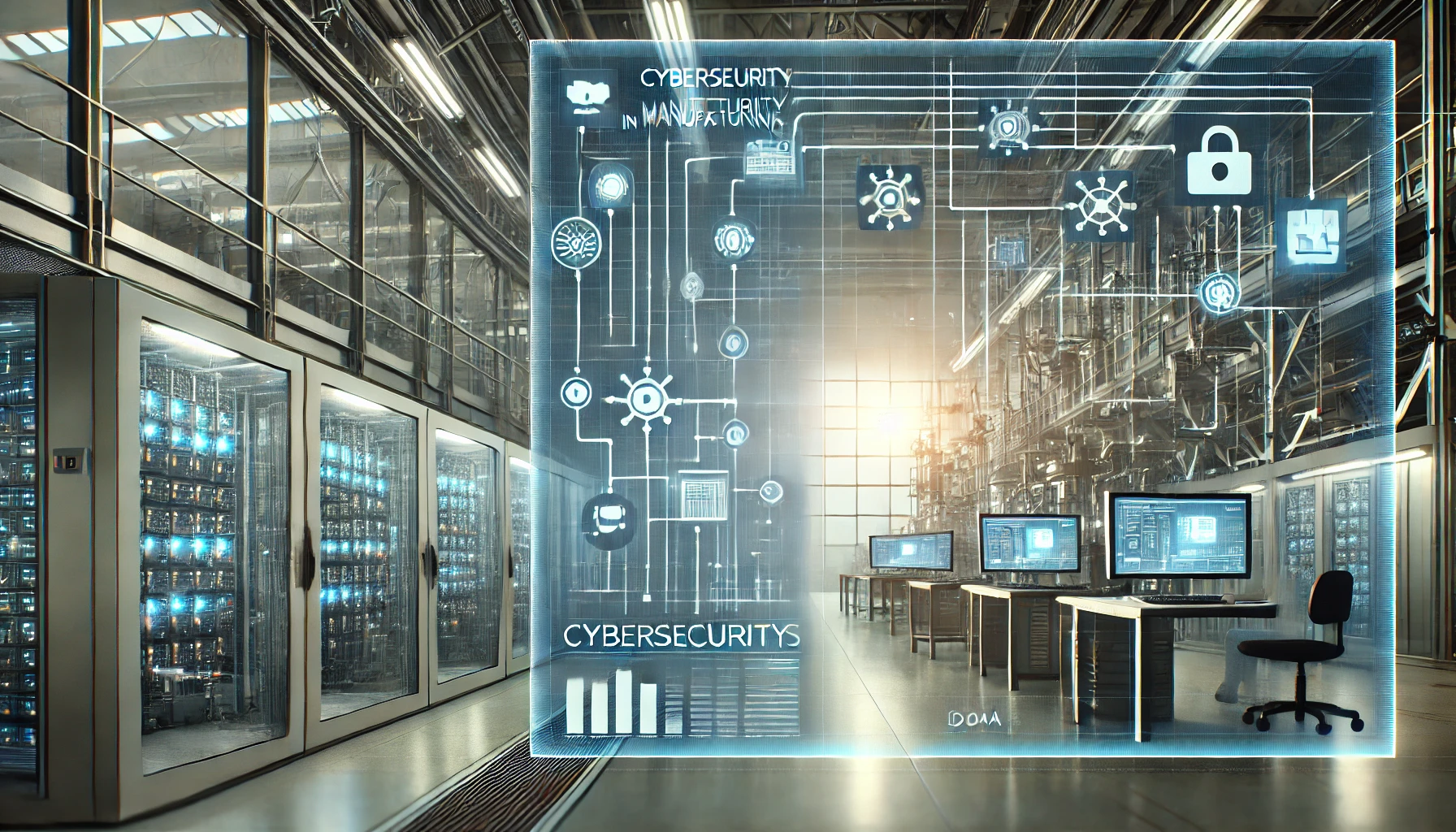
Cybersecurity risks in manufacturing refer to the growing threats that target factory systems, production equipment, and industrial data through digital attacks. In today’s connected manufacturing environment, cyber risk is no longer limited to office IT systems. Production lines, industrial machines, sensors, and operational software are now part of the attack surface. Understanding these risks is critical because a single cyber incident can halt production, damage equipment, compromise intellectual property, and cause significant financial and reputational loss.
Why Manufacturing Is a Prime Cyber Target
Manufacturers have become attractive targets for cybercriminals due to their reliance on digital systems and the high cost of downtime. When production stops, losses accumulate quickly, making manufacturers more likely to pay ransoms or rush recovery efforts.
In addition, manufacturing environments often combine modern IT systems with legacy operational technology (OT). These older systems were not designed with cybersecurity in mind, making them vulnerable to modern attacks.
The rise of Industry 4.0, cloud connectivity, remote access, and IoT devices has increased efficiency—but it has also expanded the number of entry points attackers can exploit.
What Systems Are at Risk in Manufacturing?
Cybersecurity risks affect both IT and OT systems.
IT systems include ERP, MES, email, finance, customer data, and intellectual property repositories.
OT systems include PLCs, SCADA systems, industrial robots, sensors, and machine controllers that directly operate production equipment.
When IT and OT networks are interconnected without proper security controls, a breach in one area can quickly spread to critical production systems.
Common Cybersecurity Threats in Manufacturing
Ransomware Attacks
Ransomware is one of the most damaging threats to manufacturers. Attackers encrypt systems and demand payment to restore access.
In manufacturing, ransomware can shut down entire plants, disrupt supply chains, and delay customer deliveries.
Even when backups exist, recovery can take days or weeks.
Phishing and Social Engineering
Phishing attacks trick employees into revealing credentials or downloading malicious software.
Manufacturing staff may not always receive the same cybersecurity training as office employees, increasing vulnerability.
A single compromised account can provide attackers with access to critical systems.
Malware Targeting Industrial Systems
Some malware is specifically designed to interfere with industrial control systems.
These attacks can manipulate machine behavior, alter production parameters, or cause physical damage to equipment.
The impact goes beyond data loss and can include safety risks.
Insider Threats
Insider threats can be malicious or accidental.
Employees or contractors with legitimate access may misuse credentials, bypass security procedures, or unintentionally introduce malware.
Inadequate access controls increase the risk of insider-related incidents.
Supply Chain Attacks
Manufacturers rely on vendors, software providers, and equipment suppliers.
If a supplier’s system is compromised, attackers may gain access to manufacturing networks through trusted connections.
Supply chain attacks are difficult to detect and can affect multiple facilities simultaneously.
Operational and Business Impact of Cyber Attacks
The most immediate impact of a cyber incident is production downtime.
Beyond downtime, manufacturers may face equipment damage, safety incidents, and quality issues.
Financial losses can include ransom payments, recovery costs, lost revenue, regulatory fines, and legal claims.
Reputational damage may lead to lost customers, strained supplier relationships, and reduced trust from partners.
Why Manufacturing Cybersecurity Is Challenging
Many factories operate legacy equipment that cannot easily be patched or updated.
Production environments prioritize uptime and safety, making system changes difficult.
IT and OT teams often operate separately, leading to gaps in responsibility and visibility.
Limited cybersecurity expertise within manufacturing teams can delay detection and response.
Cybersecurity Risks vs Traditional Safety Risks
Traditional manufacturing risks focus on physical hazards like machinery, chemicals, and ergonomics.
Cyber risks introduce invisible threats that can trigger physical consequences.
A cyber attack can cause machines to behave unpredictably, creating safety hazards for workers.
| Risk Type | Traditional Manufacturing Risk | Cybersecurity Risk |
|---|---|---|
| Visibility | Physical and observable | Often hidden |
| Impact | Localized | Can affect entire operations |
| Response Time | Immediate | May be delayed |
| Root Cause | Mechanical or human | Digital and external |
Cost of Cybersecurity Incidents in Manufacturing
The cost of a cyber incident includes direct and indirect expenses.
Direct costs include system recovery, forensic analysis, external consultants, and potential ransom payments.
Indirect costs include production losses, missed delivery penalties, customer churn, and reputational damage.
For many manufacturers, even a short outage can result in losses far exceeding the cost of preventive cybersecurity investments.
How Manufacturers Can Reduce Cybersecurity Risks
Segment IT and OT networks to limit lateral movement by attackers.
Implement strong access controls and multi-factor authentication.
Keep systems updated and apply security patches where possible.
Train employees to recognize phishing and social engineering attempts.
Monitor networks continuously for unusual activity.
Develop and test incident response and disaster recovery plans.
Evaluate cybersecurity practices of suppliers and partners.
Cybersecurity as Part of Manufacturing Risk Management
Cybersecurity should be treated as a core operational risk, not just an IT issue.
Risk assessments should include digital threats alongside safety, quality, and environmental risks.
Leadership involvement is essential to align cybersecurity priorities with business objectives.
Integrating cybersecurity into daily operations reduces exposure and improves resilience.
Frequently Asked Questions About Manufacturing Cybersecurity
Are small manufacturers at risk of cyber attacks?
Yes. Small manufacturers are often targeted because they have fewer security resources and weaker defenses.
Can cyber attacks cause physical damage?
Yes. Attacks on industrial control systems can disrupt machine operation and create safety hazards.
Is cybersecurity only an IT responsibility?
No. Cybersecurity in manufacturing involves IT, operations, engineering, and management.
How often should cybersecurity risks be reviewed?
Regularly, especially when new equipment, software, or connectivity is introduced.
Conclusion: Cybersecurity Risks in Manufacturing
Cybersecurity risks in manufacturing are real, growing, and increasingly connected to physical operations. As factories become more digital and connected, the potential impact of cyber incidents increases.
Addressing these risks requires awareness, planning, and collaboration across IT, OT, and leadership teams.
Manufacturers that treat cybersecurity as a strategic priority—rather than a technical afterthought—are better positioned to protect their operations, their people, and their long-term business performance.