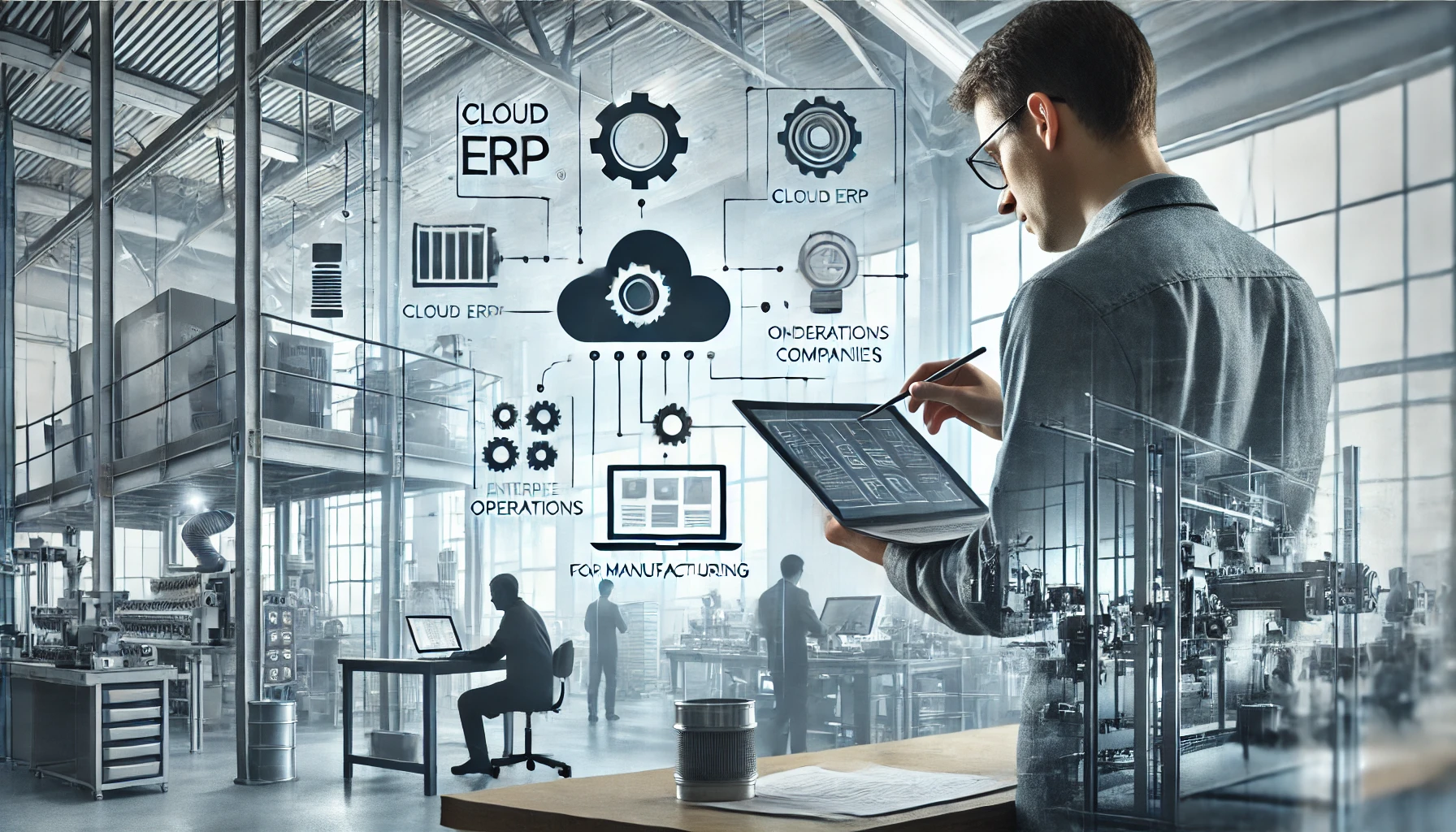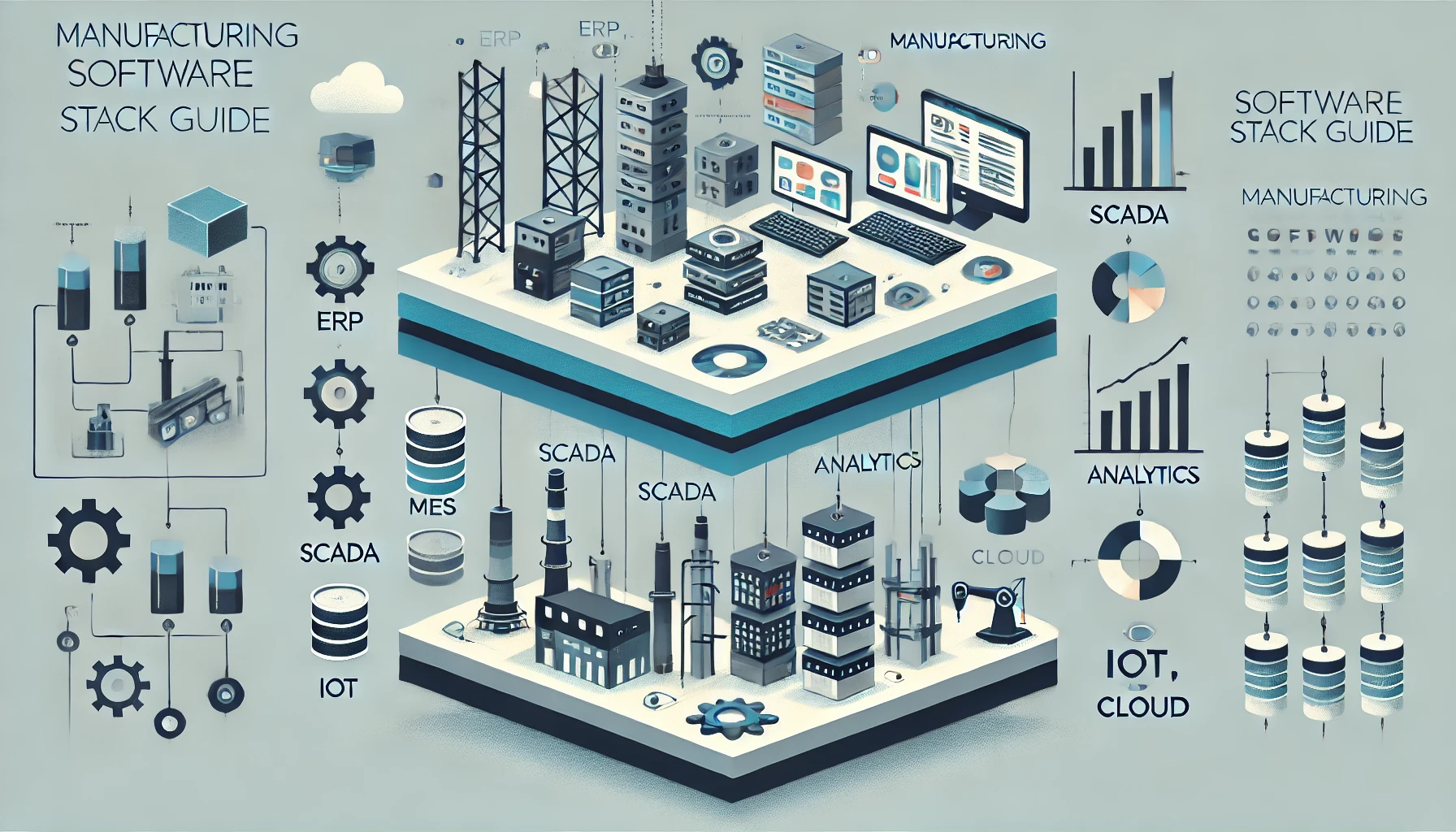
A manufacturing software stack is the collection of digital systems that work together to run, monitor, and optimize manufacturing operations. From planning production and managing inventory to controlling machines and analyzing performance data, each layer of the software stack plays a specific role. In this first paragraph, it’s important to understand that a manufacturing software stack is not a single application—it is an ecosystem. When designed correctly, this ecosystem connects the shop floor to management, enabling better decisions, higher efficiency, and long-term competitiveness.
What Is a Manufacturing Software Stack?
A manufacturing software stack refers to the integrated set of software tools used across a manufacturing organization. Each layer addresses different operational needs, from real-time machine control to strategic planning and financial management.
Rather than relying on isolated systems or spreadsheets, modern manufacturers use connected software layers that share data and automate workflows. This reduces manual work, improves accuracy, and creates a single source of truth across the organization.
The stack typically includes systems for enterprise planning, manufacturing execution, automation, analytics, and quality management.
Why the Manufacturing Software Stack Matters
Manufacturing operations are complex. They involve materials, machines, people, suppliers, customers, and regulatory requirements.
Without an integrated software stack, data becomes fragmented. Production teams, planners, and executives work from different information, leading to delays, errors, and inefficiencies.
A well-designed manufacturing software stack aligns operations with business goals. It enables real-time visibility, faster response to issues, and data-driven decision-making.
The Core Layers of a Manufacturing Software Stack
Enterprise Resource Planning (ERP)
ERP sits at the top of the manufacturing software stack. It manages business-wide processes such as finance, procurement, inventory planning, sales orders, and high-level production scheduling.
ERP answers questions like what needs to be produced, when, and at what cost. It provides a strategic and financial view of manufacturing operations.
ERP systems are typically used by management, planners, finance teams, and supply chain professionals.
Manufacturing Execution System (MES)
MES operates between ERP and the shop floor. It manages real-time production execution, tracking what is happening right now on the factory floor.
MES systems handle work orders, production tracking, quality checks, traceability, and operator instructions.
This layer ensures that production plans from ERP are executed accurately and efficiently.
Supervisory Control and Data Acquisition (SCADA)
SCADA systems monitor and control industrial processes in real time. They collect data from machines, sensors, and control systems.
SCADA provides visibility into equipment status, alarms, and process conditions.
This layer is critical for maintaining operational control and responding quickly to issues.
Programmable Logic Controllers (PLC) and Automation Systems
PLCs and automation software operate at the lowest level of the stack. They control machines, robots, conveyors, and production equipment.
This layer executes precise instructions with high reliability and speed.
While often invisible to management, this layer is the foundation of all physical production.
Industrial Internet of Things (IIoT)
IIoT platforms connect machines, sensors, and devices to higher-level systems.
They enable real-time data collection, remote monitoring, and advanced analytics.
IIoT bridges traditional automation with modern cloud and data platforms.
Quality Management Systems (QMS)
QMS software manages inspections, nonconformance tracking, corrective actions, and compliance documentation.
This layer ensures products meet quality and regulatory requirements.
Integration with MES and ERP helps embed quality into daily operations rather than treating it as a separate activity.
Product Lifecycle Management (PLM)
PLM systems manage product data from design through production and beyond.
They handle engineering changes, bills of materials, and design documentation.
PLM ensures that production uses the correct and current product specifications.
How the Manufacturing Software Stack Works Together
The power of a manufacturing software stack comes from integration.
ERP creates production orders and schedules.
MES executes those orders on the shop floor.
SCADA and PLCs control and monitor machines.
IIoT collects data and feeds analytics platforms.
QMS captures quality results and corrective actions.
Data flows back up the stack, providing visibility and feedback for planning and improvement.
Benefits of a Well-Designed Manufacturing Software Stack
Real-time visibility across operations improves responsiveness.
Automation reduces manual data entry and errors.
Integrated systems improve production efficiency and throughput.
Quality improves through consistent process control and traceability.
Decision-making becomes data-driven rather than reactive.
Common Manufacturing Software Stack Use Cases
Production planners use ERP and MES integration to adjust schedules based on real-time output.
Maintenance teams use IIoT and analytics to predict equipment failures.
Quality teams use QMS integrated with MES to detect defects early.
Executives use dashboards fed by multiple layers to monitor performance and profitability.
Cost and Investment Considerations
Building or upgrading a manufacturing software stack requires investment.
Costs include software licenses or subscriptions, integration, hardware, training, and ongoing support.
However, the return on investment often comes from reduced downtime, lower scrap rates, improved labor productivity, and better inventory control.
Many manufacturers adopt a phased approach, starting with the most critical pain points.
Challenges in Building a Manufacturing Software Stack
Legacy systems may be difficult to integrate.
Data consistency and quality must be managed carefully.
Cybersecurity becomes more complex as systems connect.
Change management is essential to ensure user adoption.
Successful stacks balance technology with people and processes.
Manufacturing Software Stack vs Disconnected Systems
| Aspect | Disconnected Systems | Integrated Software Stack |
|---|---|---|
| Data Flow | Manual and fragmented | Automated and consistent |
| Visibility | Limited | Real-time and holistic |
| Decision-Making | Reactive | Proactive and data-driven |
| Scalability | Low | High |
How to Design the Right Manufacturing Software Stack
Start by identifying your biggest operational pain points.
Define clear business objectives such as reducing downtime, improving quality, or increasing flexibility.
Choose systems that integrate well and support open standards.
Prioritize usability and training to ensure adoption.
Plan for scalability and future technologies.
Frequently Asked Questions
Do all manufacturers need a full software stack?
No. Smaller manufacturers may start with ERP or MES and expand as complexity grows.
Is cloud-based software suitable for manufacturing?
Yes. Many modern stacks use cloud, on-premise, or hybrid models depending on requirements.
Can a single vendor provide the entire stack?
Some vendors offer broad platforms, but many manufacturers use best-of-breed solutions.
How long does implementation take?
Implementation timelines vary from months to years depending on scope and complexity.
Conclusion: Building a Future-Ready Manufacturing Software Stack
A manufacturing software stack is the digital backbone of modern manufacturing operations.
When thoughtfully designed and well integrated, it connects strategy to execution, improves efficiency, and supports continuous improvement.
Rather than chasing technology trends, manufacturers should focus on building a stack that aligns with their processes, people, and long-term goals.
In an increasingly competitive and data-driven industry, a strong manufacturing software stack is not just an IT investment—it is a strategic advantage.